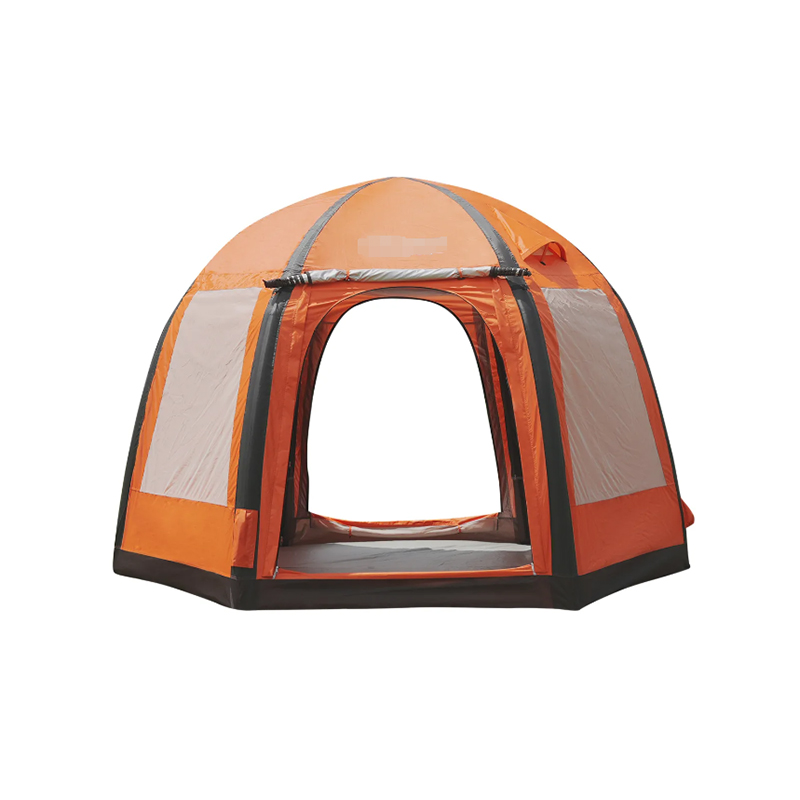
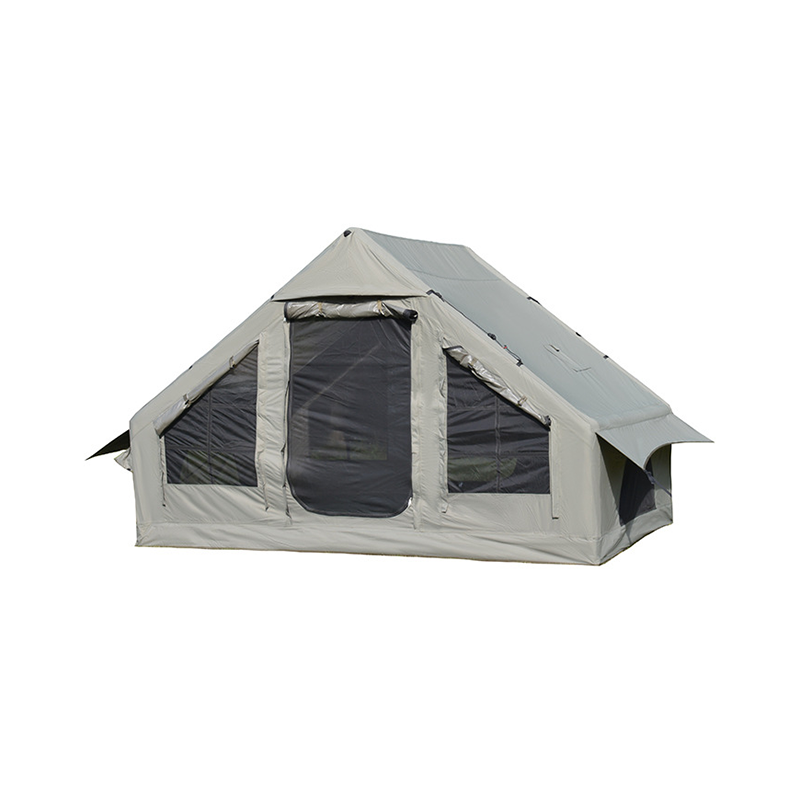
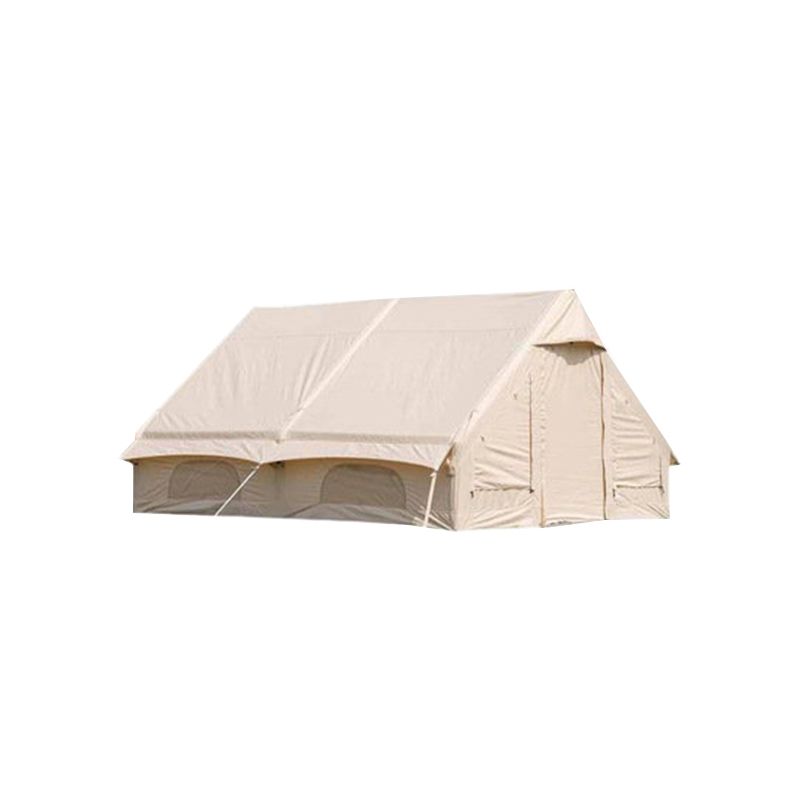
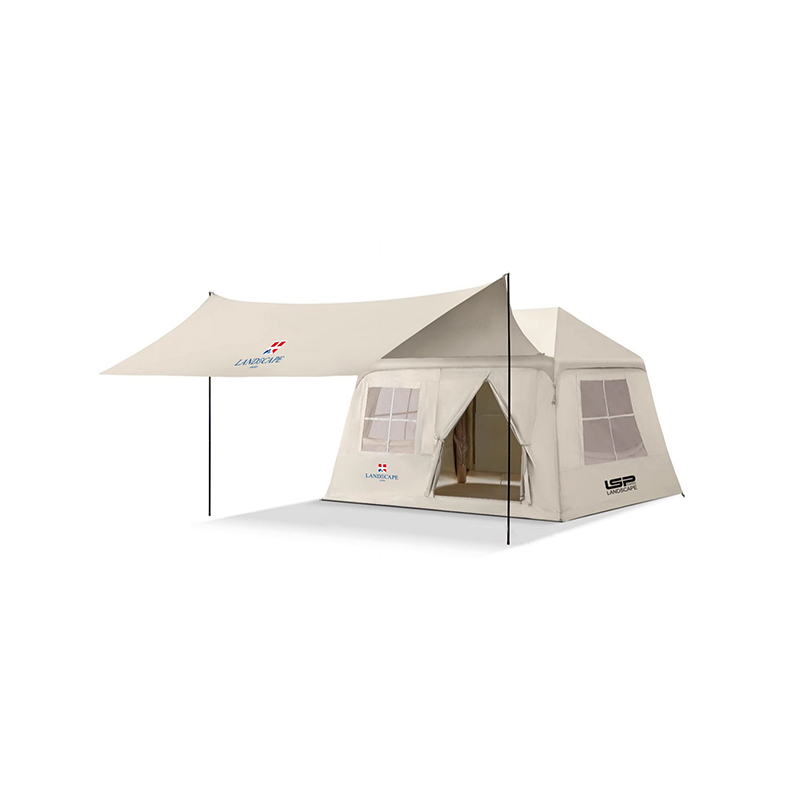
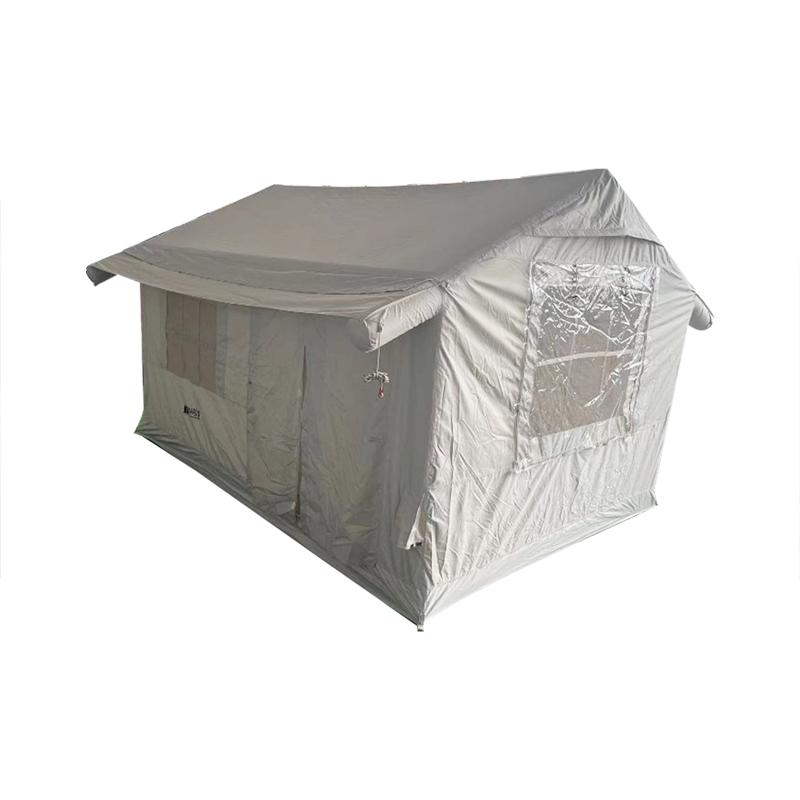
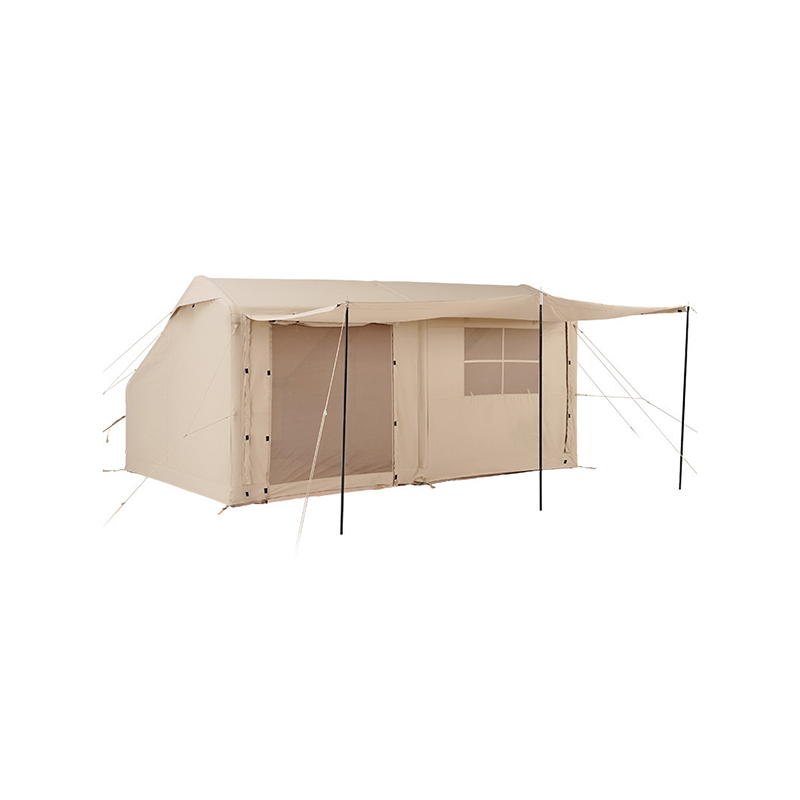
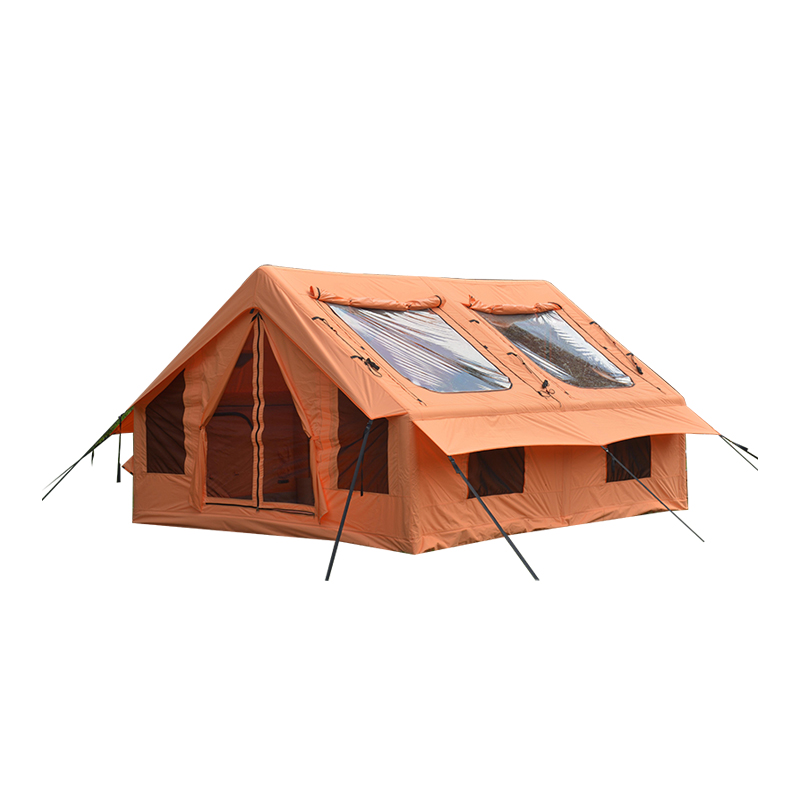
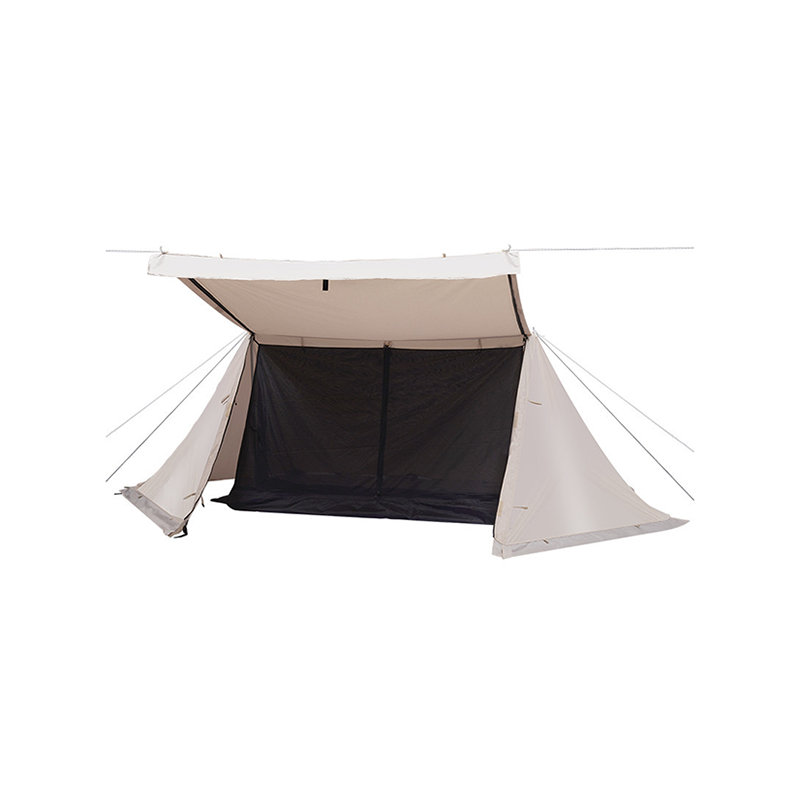
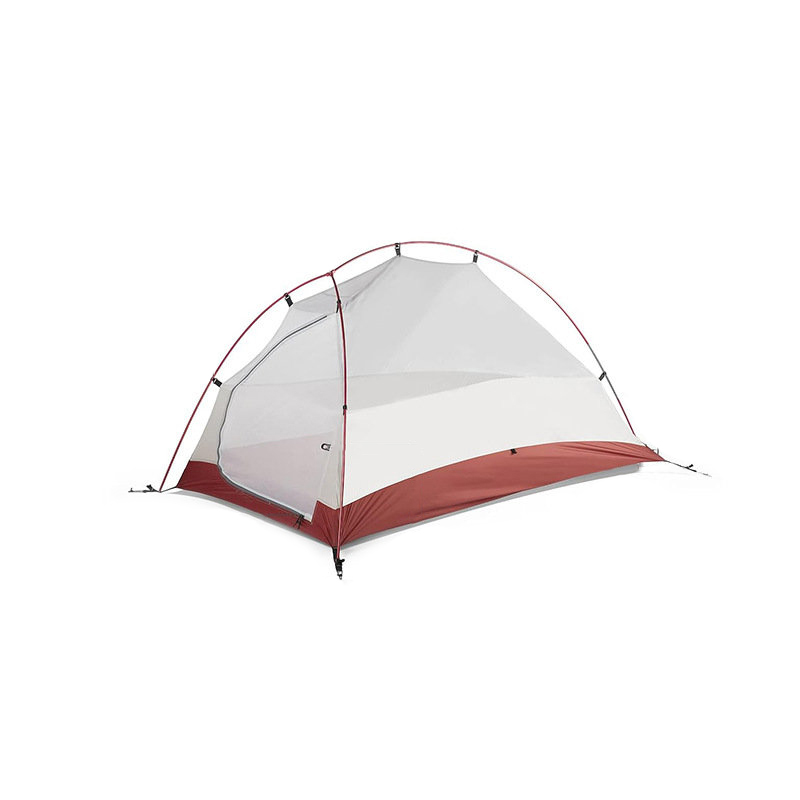
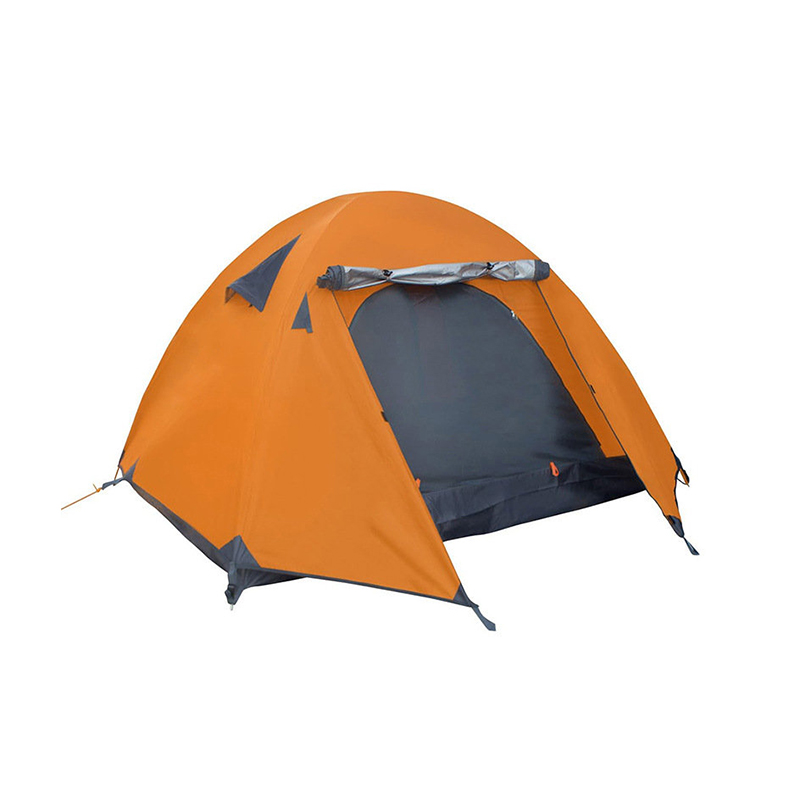
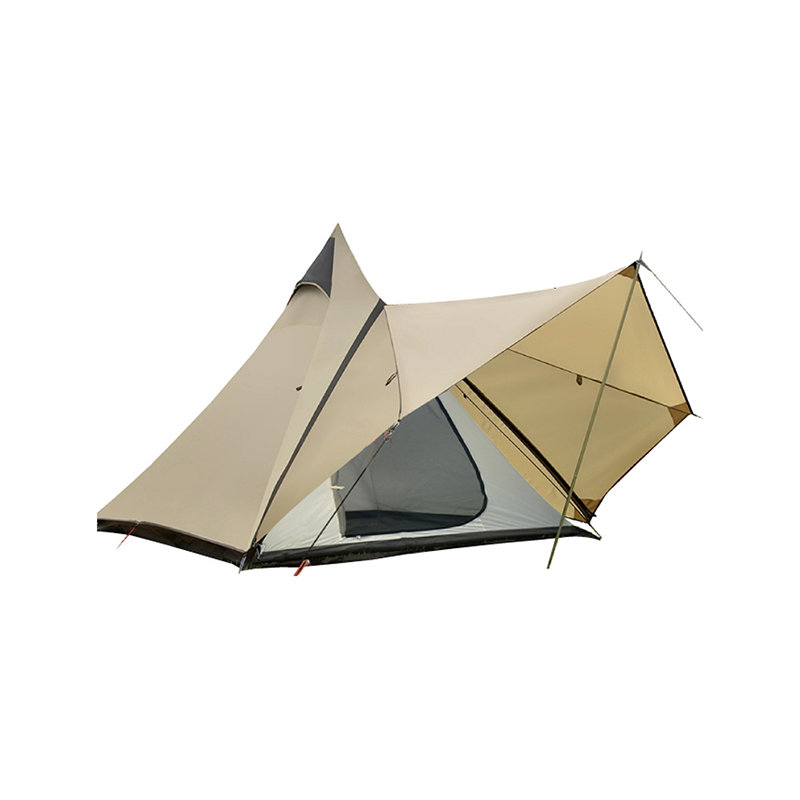
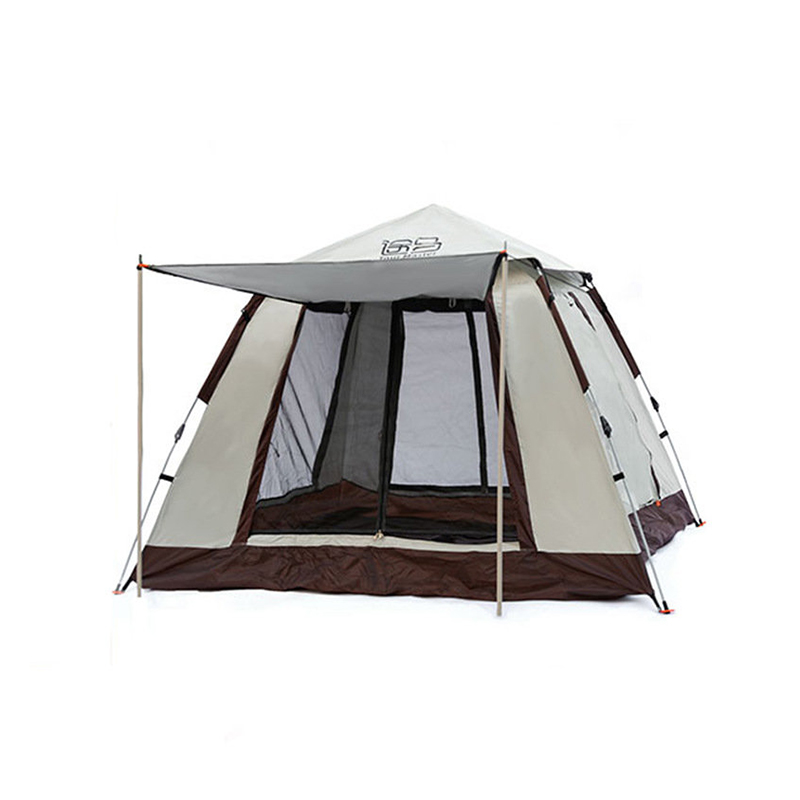
半球膨張可能なテント2ドア4窓


 検索する...

1. 換気設計
の 屋外アーミーグリーンシェルターテント シェルター全体に最適な空気の流れを生み出すために、高い位置にある屋根の通気口、下部の吸気口、メッシュ窓、調節可能なサイド フラップなど、複数の通気ポイントを備えた設計になっています。テントの頂点にある屋根の通気口は、居住者、ギア、内部活動によって発生する暖かく湿気を含んだ空気の自然な逃がしを促進します。一方、基部近くの下部通気口は、より冷たく乾燥した外気の流入を可能にし、新鮮な空気を循環させる継続的な対流を確立します。メッシュパネルは、無制限の空気の流れを維持しながら、昆虫や破片の侵入を防ぎます。これらの通気口の配置とサイズは、風の弱い状況でも空気の流れを確保できるように慎重に設計されており、不快感や結露、カビの発生を促進する可能性のある熱の蓄積、高湿度、古くなったエアポケットのリスクを軽減します。この設計により、ユーザーは環境条件や占有負荷に応じて空気の流れを動的に調整できます。これは、熱帯、湿気の多い、または急速に変化する気候での長期間の導入には重要です。
2. 結露の管理
結露は、テント内の温度が生地やギアの表面よりも高い場合に発生し、水分が水滴として蓄積します。アウトドア アーミー グリーン シェルター テントは、二層構造、通気性のある生地、処理された耐水性素材の組み合わせによってこれを軽減します。テントのインナー層は、多くの場合、軽量で通気性のある素材で構成されており、居住者からの水蒸気がアウター層に向かって移動します。外側のフライシートは防水性と通気性を備えた膜でコーティングされており、外部からの雨の侵入を防ぎ、水蒸気の拡散を促進します。層間の空隙は断熱バッファーとして機能し、暖かく湿った室内空気と冷たい表面が直接接触するリスクを軽減し、水滴の形成を最小限に抑えます。さらに、就寝エリアとギアエリアの近くに戦略的に配置されたメッシュパネルと通気口が局所的な結露の蓄積を防ぎ、長期間のフィールド使用中も寝具や衣類を乾燥した快適な状態に保ちます。
3. 調節可能な換気機能
の tent includes adjustable vents, roll-up flaps, tie-back options, and zippered mesh panels, giving users full control over airflow based on external conditions. In hot, humid environments, vents can be fully opened to maximize cross-ventilation, encouraging rapid removal of moisture and preventing interior air stagnation. In cold or rainy conditions, vents can be partially closed to conserve interior warmth while still allowing sufficient airflow to remove moisture vapor, preventing condensation buildup without sacrificing thermal comfort. Users can also adjust flaps according to wind direction or surrounding terrain to optimize natural airflow. This adjustability ensures that ventilation performance is maintained across a wide range of climatic conditions, including sudden temperature drops, thunderstorms, or fluctuating humidity, making the tent highly versatile for military or extended outdoor operations.
4. 素材と生地に関する考慮事項
の choice of materials is critical for both ventilation and condensation control. High-quality, water-resistant fabrics with breathable membranes, such as coated nylon or polyester, are used to balance external waterproofing with internal moisture release. UV-resistant coatings prevent material degradation in prolonged sunlight exposure, which could otherwise compromise waterproofing and ventilation performance. Proper fabric tension and structural design prevent sagging, which can cause condensation to drip onto occupants or equipment, and reinforced seams reduce the risk of water ingress. The combination of durable materials, reinforced structural points, and high-quality coatings ensures that the tent maintains its thermal, moisture, and airflow properties over long-term deployment, even under repeated exposure to harsh environments, heavy rainfall, or fluctuating temperatures.
5. 実践的なユーザー戦略
テントは換気と結露を管理するように設計されていますが、ユーザーが実践することでその効果が大幅に高まります。ユーザーは、濡れたギアをシェルター内に直接置くことを避け、涼しい状況でも通気口を部分的に開けて空気の流れを維持し、潜在的な床結露との直接接触を減らすために寝台やマットを高くする必要があります。卓越風を利用できるようにテントを設置すると、自然換気効率が高まります。過密を制限することで内部の湿気の発生が減り、全体的な快適さが向上します。通気口を定期的にチェックし、生地に適切な張力を確保し、気流経路の遮断を監視することで、通気性と断熱性の一貫したバランスを維持し、急速に変化する気象条件でもシェルターのパフォーマンスを最適化できます。
6. 総合的なパフォーマンス結果
の integration of strategically placed vents, breathable and water-resistant materials, double-layer construction, adjustable airflow mechanisms, and user best practices ensures that the Outdoor Army Green Shelter Tent maintains a comfortable, dry interior under a wide range of environmental conditions. This design minimizes condensation formation, optimizes airflow for occupant comfort, and preserves the integrity of gear and bedding. It provides thermal stability, reduces humidity-related discomfort or health risks, and supports operational readiness in field conditions ranging from hot, humid climates to wet or cold environments. The combination of engineered design and proper user practices ensures reliable shelter performance, extended material life, and a safe, comfortable environment for military personnel or outdoor users in challenging conditions.